ICON A5 (N922BA)
Fatal accident in the Gulf of Mexico near New Port Richey, Florida November 7, 2017, 12:04 EST · Gulf of Mexico near New Port Richey, FLSerious outcome
No survivors
Case summary
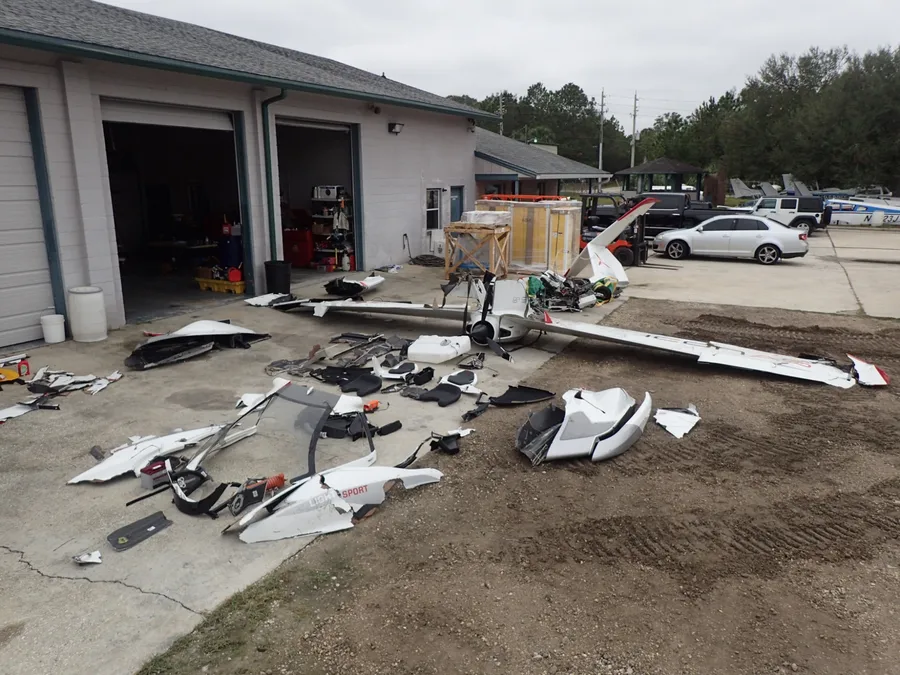
On November 7, 2017, a privately owned ICON A5 light-sport amphibious airplane crashed into the Gulf of Mexico near New Port Richey, Florida, killing the pilot — publicly identified in news coverage, though never named in the NTSB report itself, as former Cy Young-winning MLB pitcher Roy Halladay. Flight-recorder data showed the airplane repeatedly flying at very low altitude over open water before the pilot entered a climbing turn with a dangerously high angle of attack, cut engine power, and descended steeply into the water. The NTSB found the pilot was impaired by multiple psychoactive substances at the time of the accident.

Light-sport amphibious airplane
What happened
Source: NTSB Final Report (excerpt)Multiple witnesses in the area stated that they saw the airplane flying very low, between 5 and 300 ft, over the water as the airplane maneuvered south close to the shoreline. Some witnesses reported that the airplane was making steep turns and high-pitch climbs up to about 500 ft and that the engine sounded normal. A witness provided an image of the airplane over the water. A commercial fisherman stated that the airplane flew over his vessel at an altitude that was less than 300 ft. Another commercial fisherman, who was located about 900 ft north of the accident site, stated that he observed the airplane flying from the north "really close" to houses. The airplane then flew south past his position, descended briefly, and climbed. After entering a steep climb, the airplane descended on an easterly heading in a steep nose-down attitude; the airplane's pitch attitude decreased as the airplane continued to descend. The witness reported that the airplane impacted the water in a 45° nose-down, wings-level attitude.
Why it happened
Source: NTSB Final Report"The National Transportation Safety Board determines the probable cause(s) of this accident to be: The pilot's improper decision to perform aggressive, low-altitude maneuvers due to his impairment from the use of multiple psychoactive substances, which resulted in a loss of control."
- Pilot's improper decision to perform aggressive, low-altitude maneuvers over open water
- Pilot impairment from the use of multiple psychoactive substances
- Resulting loss of control of the airplane
Photos & media (3)
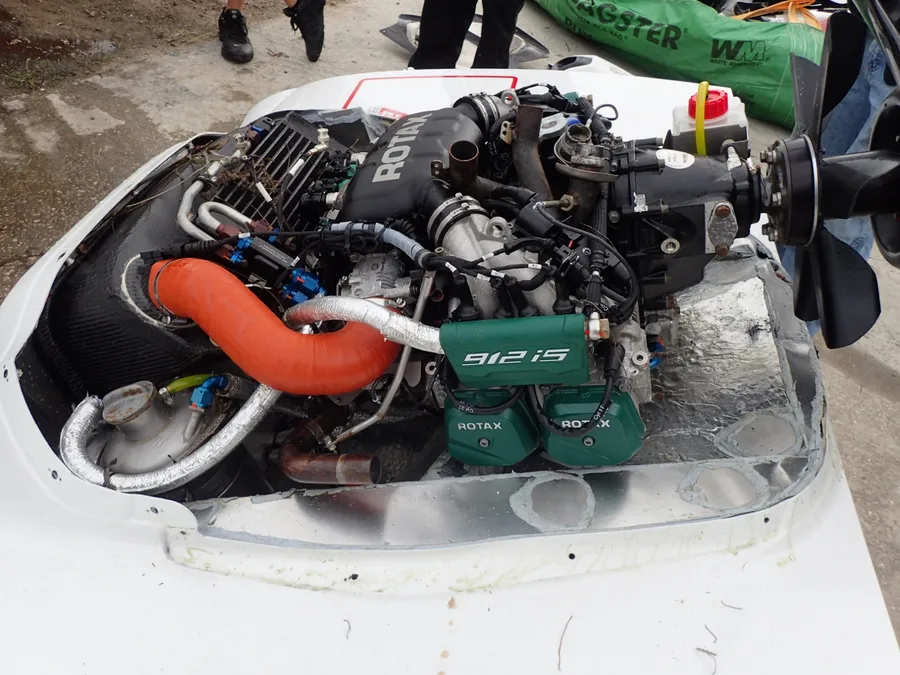
NTSB docket photographs, ANC18FA007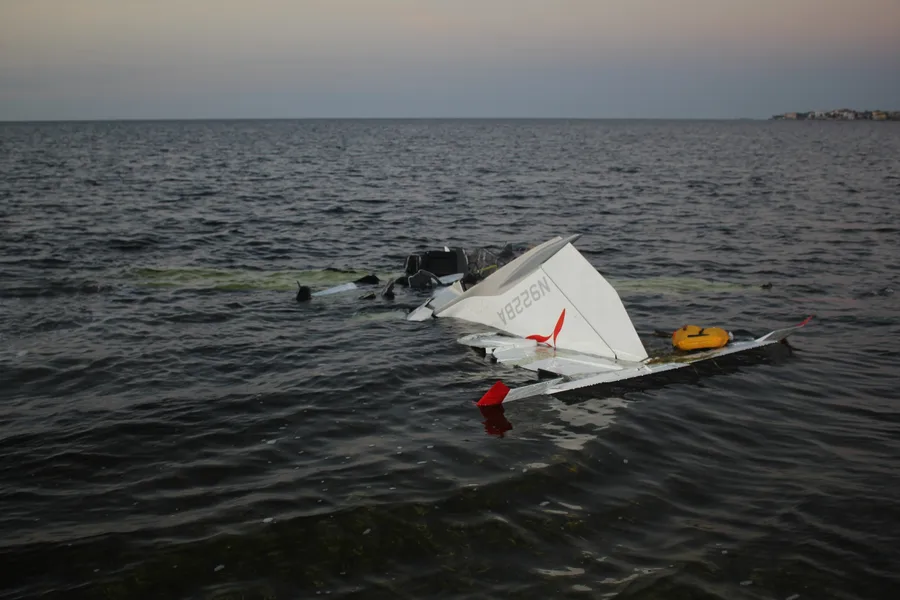
Multiple witnesses in the area stated that they saw the airplane flying very low, between 5 and 300 ft, over the water as the airplane maneuvered south close to the shoreline. Some witnesses reported that the airplane was making steep turns and high-pitch climbs up to about 500 ft and that the engine sounded normal. A witness provided an image of the airplane over the water. A commercial fisherman stated that the airplane flew over his vessel at an altitude that was less than 300 ft. Another commercial fisherman, who was located about 900 ft north of the accident site, stated that he observed the airplane flying from the north "really close" to houses. The airplane then flew south past his position, descended briefly, and climbed. After entering a steep climb, the airplane descended on an easterly heading in a steep nose-down attitude; the airplane's pitch attitude decreased as the airplane continued to descend. The witness reported that the airplane impacted the water in a 45° nose-down, wings-level attitude.
"The National Transportation Safety Board determines the probable cause(s) of this accident to be: The pilot's improper decision to perform aggressive, low-altitude maneuvers due to his impairment from the use of multiple psychoactive substances, which resulted in a loss of control."
- Pilot's improper decision to perform aggressive, low-altitude maneuvers over open water
- Pilot impairment from the use of multiple psychoactive substances
- Resulting loss of control of the airplane