Cessna 172S (N860TW)
Go-around loss of control at Northeast Philadelphia Airport August 3, 2023, 10:54 EDT · Northeast Philadelphia Airport (PNE)Serious outcome
No fatalities
Case summary
During an instructional flight, a student pilot's bounced landing led the flight instructor to call for a go-around. As the Cessna 172 powered up, its nose pitched sharply up and the airplane yawed and rolled left, striking the ground beside the runway and nosing over. Both occupants survived with only minor injury, but the airplane was substantially damaged.
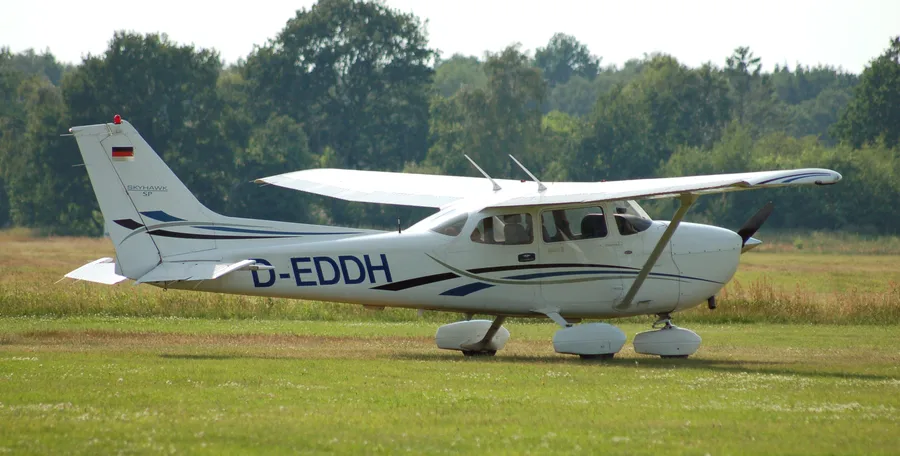
4-seat single-engine trainer
What happened
Source: NTSB Final ReportThe pilot receiving instruction reported that while on final approach, the airspeed became slow so he lowered the airplane nose to increase the airspeed. The airplane landed firmly at the runway threshold and bounced. During the recovery from the bounce, the flight instructor commanded a go-around maneuver. During the go-around, the airplane's nose rose high, and the airplane yawed and rolled to the left. The airplane impacted the ground alongside the runway and nosed over.
Why it happened
Source: NTSB Final Report"The National Transportation Safety Board determines the probable cause(s) of this accident to be: The pilot receiving instruction's failure to maintain control during a go-around. Contributing to the accident was the flight instructor's inadequate supervision of the flight."
- Bounced landing at the runway threshold
- Go-around initiated during recovery from the bounce
- Abrupt nose-up pitch and left yaw/roll during the go-around
- Pilot receiving instruction's failure to maintain control
- Flight instructor's inadequate supervision of the flight
Photos & media (2)
NTSB docket photographs (courtesy FAA), CEN23LA348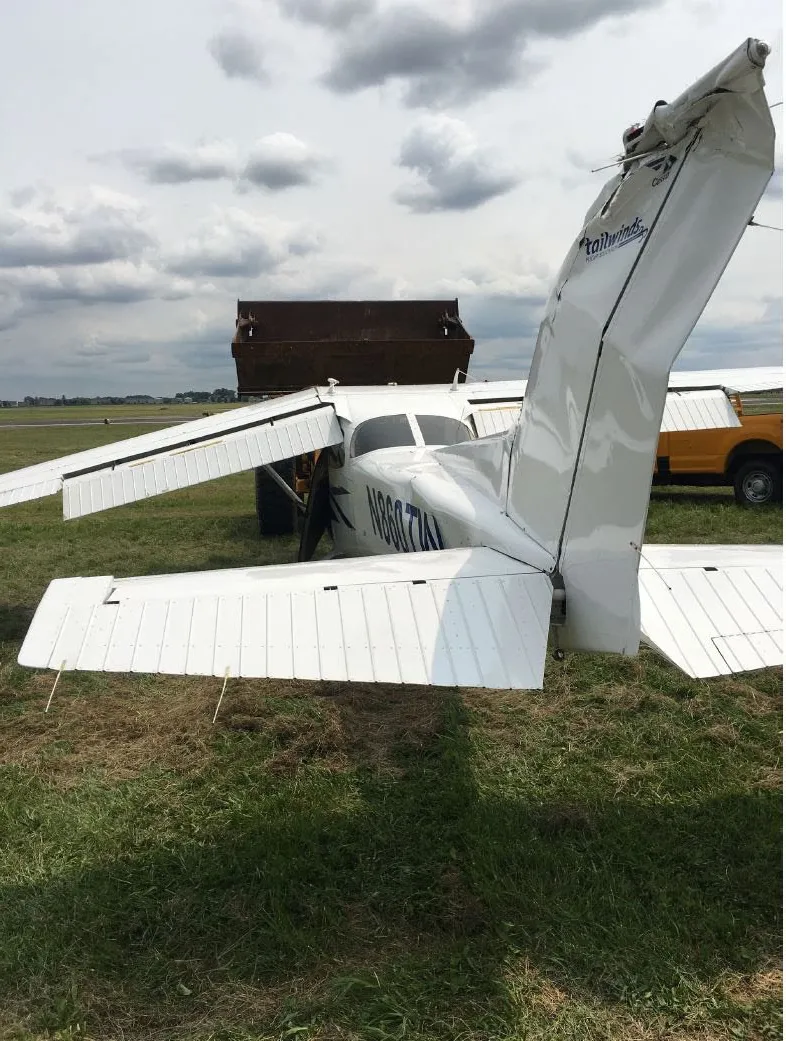
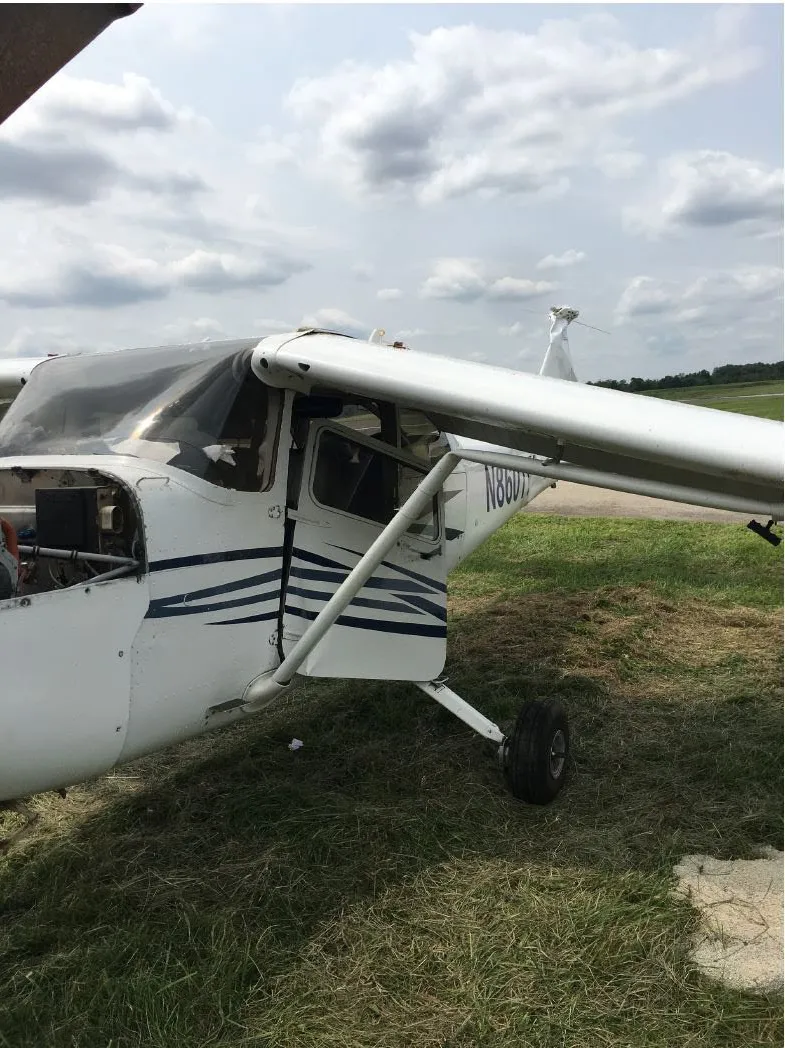
The pilot receiving instruction reported that while on final approach, the airspeed became slow so he lowered the airplane nose to increase the airspeed. The airplane landed firmly at the runway threshold and bounced. During the recovery from the bounce, the flight instructor commanded a go-around maneuver. During the go-around, the airplane's nose rose high, and the airplane yawed and rolled to the left. The airplane impacted the ground alongside the runway and nosed over.
"The National Transportation Safety Board determines the probable cause(s) of this accident to be: The pilot receiving instruction's failure to maintain control during a go-around. Contributing to the accident was the flight instructor's inadequate supervision of the flight."
- Bounced landing at the runway threshold
- Go-around initiated during recovery from the bounce
- Abrupt nose-up pitch and left yaw/roll during the go-around
- Pilot receiving instruction's failure to maintain control
- Flight instructor's inadequate supervision of the flight