PiperSport (N126WK)
Stall and spin after a go-around at Santa Monica Airport September 8, 2022, 16:26 PDT · Santa Monica Municipal Airport (SMO)Serious outcome
No survivors
Case summary
An introductory flight lesson at Santa Monica Flyers ended when a hard landing led the instructor to attempt a go-around. The airplane pitched up almost vertically, climbed, then stalled and spun to the left before striking the ground. Both the flight instructor and the passenger — who was taking his first flight, a gift from family, and held no pilot certificate — were killed. The investigation found the passenger was inadvertently pressing his microphone button while gripping the controls, which may have kept the instructor from being heard as he tried to recover.
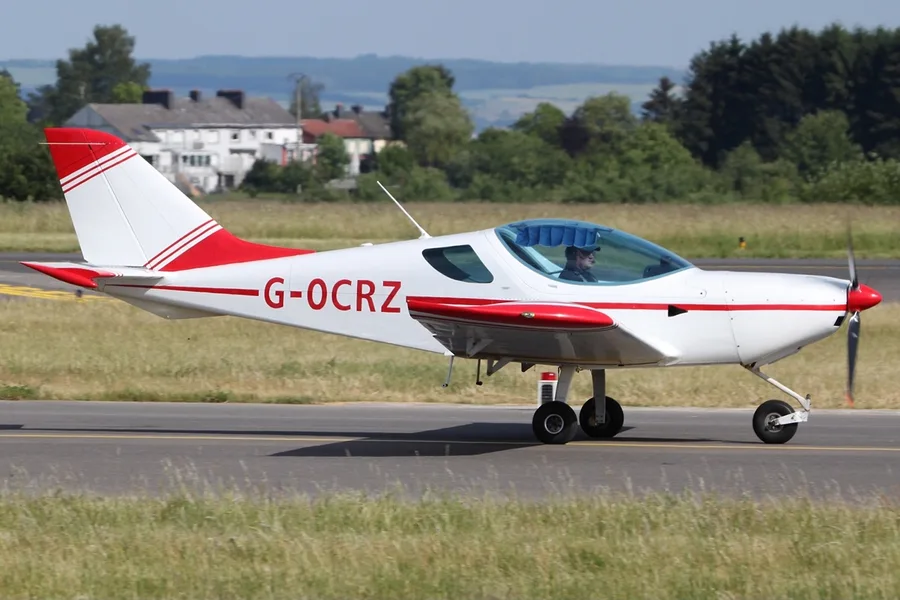
2-seat light-sport aircraft
What happened
Source: NTSB Final Report (excerpt)Multiple witnesses observed the airplane land on runway 21, with one describing the landing as "hard." The witnesses stated that the airplane then began to aggressively pitch up and climb while the engine made a sound consistent with it going to full power. All the witnesses provided similar accounts of the airplane continuing to climb in a nose-up attitude before leveling off at the apex of the climb, about 100-200 ft agl, then spinning to the left, descending, and colliding with the ground. A security video camera located on the southeast side of the airport captured the final landing approach segment. As the airplane came into view, the main landing gear was already on the ground and the airplane then began to climb in a slightly nose-up attitude. Over the next three seconds, the airplane pitched up to an almost vertical attitude and climbed out of the camera's field of view. The shadow of the airplane on the runway surface indicated that it continued to climb for another two seconds before descending and striking the ground about 5 seconds later. Audio recording of the airport's CTAF captured the flight instructor responding that it was to be a full-stop landing, and a few seconds later the audio captured him screaming, "let go, let go……. let go, let go, let go."
Why it happened
Source: NTSB Final Report"The pilot's inability to maintain control of the airplane during the landing flare due to the passenger's excessive control inputs, which resulted in the airplane exceeding its critical angle of attack and entering an aerodynamic stall."
- Hard landing leading to an abrupt go-around
- Passenger's excessive aft control input during the go-around
- Airplane exceeding its critical angle of attack and entering an aerodynamic stall
- Passenger inadvertently holding the push-to-talk switch, which blocked the instructor's radio calls and may have delayed recognition of the emergency
- Instructor's inability to regain control before ground impact
Photos & media (2)
NTSB final report figures, WPR22FA338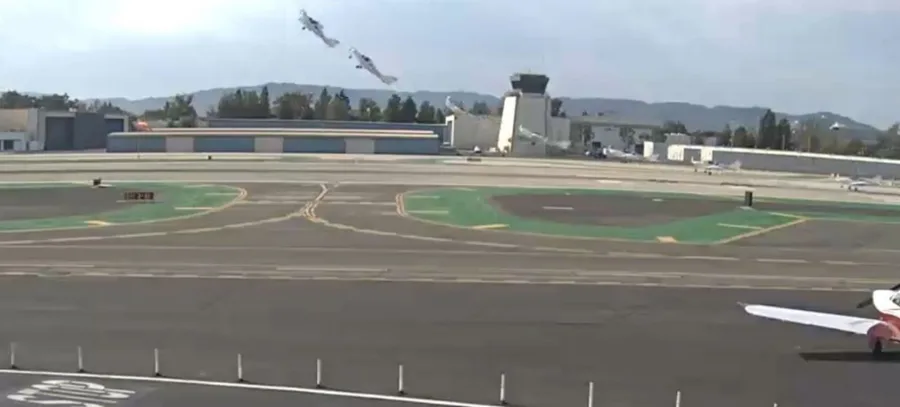
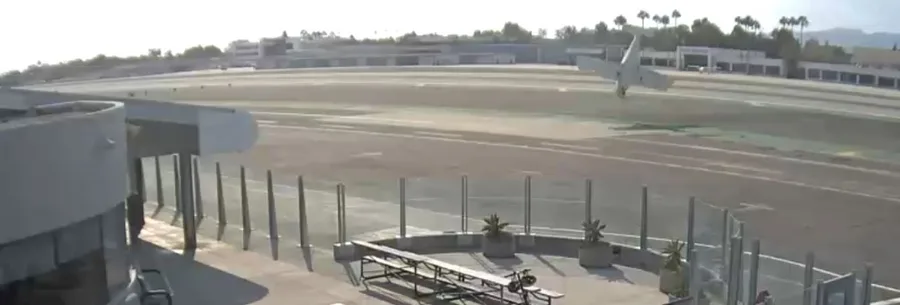
Multiple witnesses observed the airplane land on runway 21, with one describing the landing as "hard." The witnesses stated that the airplane then began to aggressively pitch up and climb while the engine made a sound consistent with it going to full power. All the witnesses provided similar accounts of the airplane continuing to climb in a nose-up attitude before leveling off at the apex of the climb, about 100-200 ft agl, then spinning to the left, descending, and colliding with the ground. A security video camera located on the southeast side of the airport captured the final landing approach segment. As the airplane came into view, the main landing gear was already on the ground and the airplane then began to climb in a slightly nose-up attitude. Over the next three seconds, the airplane pitched up to an almost vertical attitude and climbed out of the camera's field of view. The shadow of the airplane on the runway surface indicated that it continued to climb for another two seconds before descending and striking the ground about 5 seconds later. Audio recording of the airport's CTAF captured the flight instructor responding that it was to be a full-stop landing, and a few seconds later the audio captured him screaming, "let go, let go……. let go, let go, let go."
"The pilot's inability to maintain control of the airplane during the landing flare due to the passenger's excessive control inputs, which resulted in the airplane exceeding its critical angle of attack and entering an aerodynamic stall."
- Hard landing leading to an abrupt go-around
- Passenger's excessive aft control input during the go-around
- Airplane exceeding its critical angle of attack and entering an aerodynamic stall
- Passenger inadvertently holding the push-to-talk switch, which blocked the instructor's radio calls and may have delayed recognition of the emergency
- Instructor's inability to regain control before ground impact