Cirrus SR22 (N183V)
Engine power loss and parachute deployment near Tishomingo, Oklahoma October 24, 2020, 12:00 CDT · open field near Tishomingo, OKSurvived — CAPS deployed
4 minor injuries (pilot and 3 passengers)
Case summary
A damaged oil-temperature sensor sent false warnings, leading the pilot to mishandle the mixture and lose all engine power.

Single-engine piston, factory-equipped with CAPS whole-airframe parachute
What happened
Source: NTSB Final Report (excerpt)During a postaccident interview, the pilot recalled that, while the airplane was descending toward its destination (Atoka Municipal Airport, Atoka, Oklahoma), he was alerted to high oil temperature indications and noted a loss of engine power. The pilot stated that he attempted to restore engine power by adjusting the air-fuel mixture and throttle but was unable to do so. The pilot then assessed the available locations for a forced landing and determined that the options were unsuitable. As a result, he activated the Cirrus Airframe Parachute System. The downloaded data showed that the parachute activation occurred about 45 seconds after the high oil temperatures began and that the airplane's airspeed at the time of activation was about 85 knots. The airplane descended under the parachute and impacted terrain, resulting in substantial damage to an airframe engine mount.
Why it happened
Source: NTSB Final Report"The pilot's improper adjustment of the engine mixture control, which resulted in a total loss of engine power. Contributing to the accident was a disconnected oil temperature connector, which was likely damaged during maintenance before the accident flight and provided erratic indications during the flight."
- The pilot's improper adjustment of the engine mixture control in response to erratic cockpit oil-temperature warnings, which produced a total loss of engine power
- A disconnected oil temperature connector, most likely damaged during maintenance performed just before the accident flight, which generated the erratic high oil-temperature readings that triggered the pilot's response
- No evidence of any actual engine mechanical fault — postaccident examination found normal mechanical continuity throughout the engine, fuel system, and ignition components
- A startle response to an unexpected cockpit warning, per the FAA Safety Team material the NTSB cites in its report
Photos & media (2)
NTSB docket Photos, CEN21LA057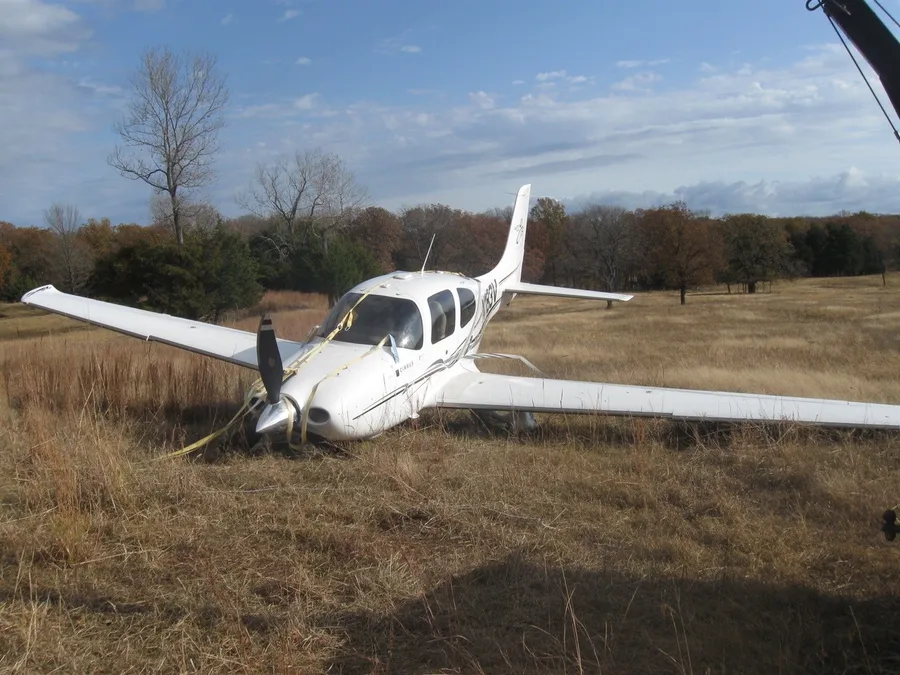
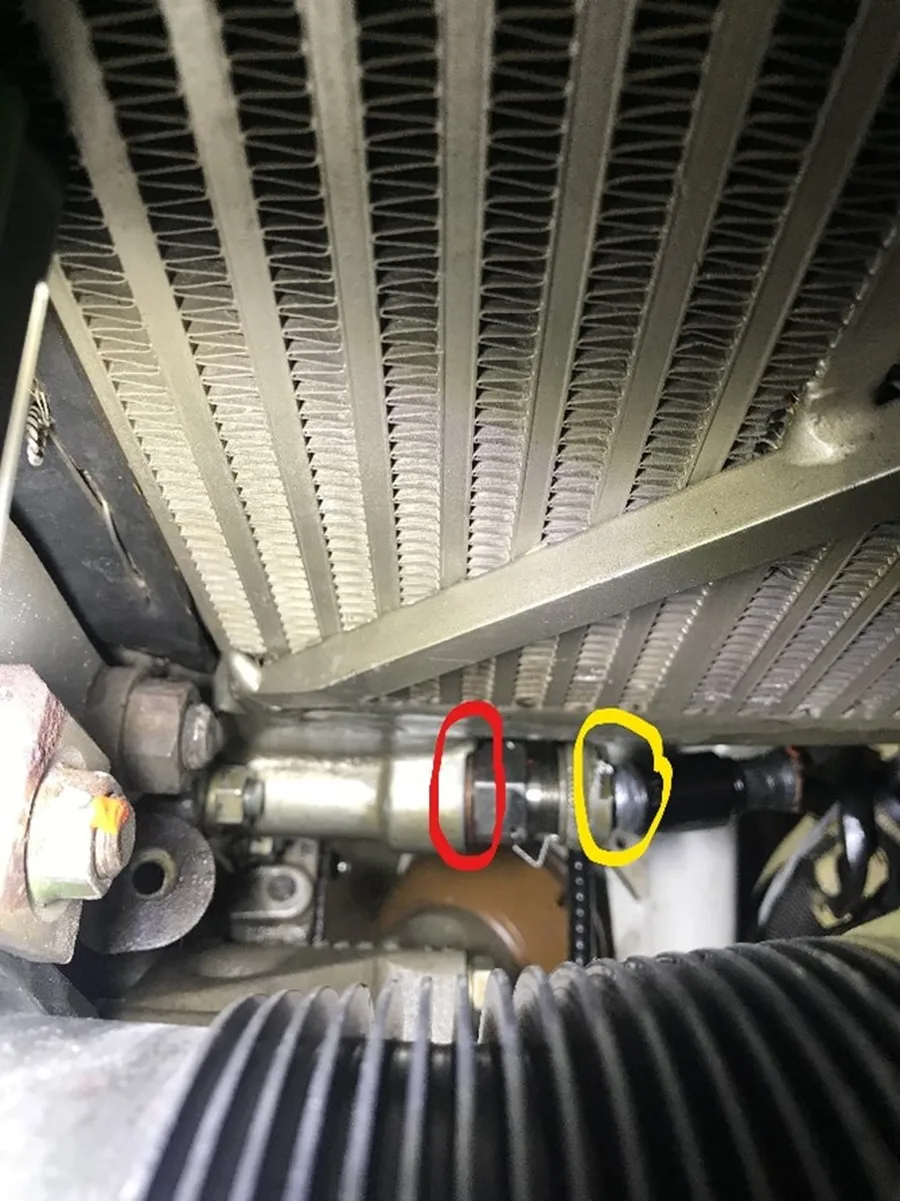
During a postaccident interview, the pilot recalled that, while the airplane was descending toward its destination (Atoka Municipal Airport, Atoka, Oklahoma), he was alerted to high oil temperature indications and noted a loss of engine power. The pilot stated that he attempted to restore engine power by adjusting the air-fuel mixture and throttle but was unable to do so. The pilot then assessed the available locations for a forced landing and determined that the options were unsuitable. As a result, he activated the Cirrus Airframe Parachute System. The downloaded data showed that the parachute activation occurred about 45 seconds after the high oil temperatures began and that the airplane's airspeed at the time of activation was about 85 knots. The airplane descended under the parachute and impacted terrain, resulting in substantial damage to an airframe engine mount.
"The pilot's improper adjustment of the engine mixture control, which resulted in a total loss of engine power. Contributing to the accident was a disconnected oil temperature connector, which was likely damaged during maintenance before the accident flight and provided erratic indications during the flight."
- The pilot's improper adjustment of the engine mixture control in response to erratic cockpit oil-temperature warnings, which produced a total loss of engine power
- A disconnected oil temperature connector, most likely damaged during maintenance performed just before the accident flight, which generated the erratic high oil-temperature readings that triggered the pilot's response
- No evidence of any actual engine mechanical fault — postaccident examination found normal mechanical continuity throughout the engine, fuel system, and ignition components
- A startle response to an unexpected cockpit warning, per the FAA Safety Team material the NTSB cites in its report