Airbus A320-214 (N106US)
Dual-engine failure and ditching on the Hudson River, New York January 15, 2009, 15:27 EST · Hudson River near Weehawken, NJSuccessful ditching, no fatalities
5 serious, 95 minor injuries — all 155 survived
Case summary
Shortly after departing LaGuardia Airport, US Airways Flight 1549 struck a flock of Canada geese that disabled both engines of the Airbus A320. With no power to reach any airport, Captain Chesley “Sully” Sullenberger and First Officer Jeffrey Skiles glided the airliner to a controlled ditching on the Hudson River. All 150 passengers and 5 crewmembers evacuated onto the wings and into rafts; five people were seriously injured and none were killed. The NTSB credited the flight crew’s decision-making and crew resource management, the airplane’s overwater emergency equipment, and the speed of the ferry and emergency response for an outcome widely known as the “Miracle on the Hudson.”
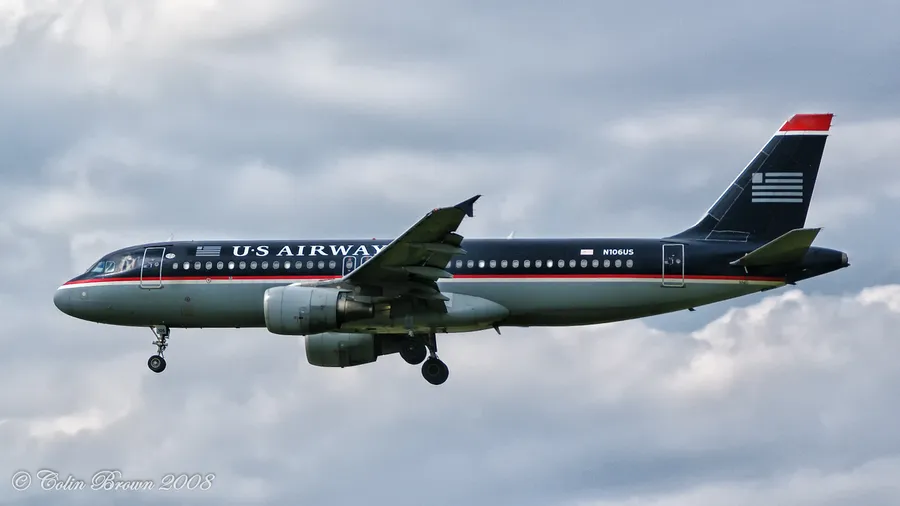
Twin-engine narrow-body airliner
What happened
Source: NTSB Final Report (excerpt)At 1527:10.4, the captain stated, “birds.” One second later, the CVR recorded the sound of thumps and thuds followed by a shuddering sound. The bird encounter occurred when the airplane was at 2,818 feet agl, about 4.5 miles north-northwest of LaGuardia, and both engines’ fan and core speeds immediately began to decelerate. At 1527:14, the first officer stated, “uh oh,” and the captain responded, “we got one rol- both of ‘em rolling back.” At 1527:23, the captain took over control of the airplane, stating, “my aircraft.” At 1527:33, he reported the emergency to the LaGuardia departure controller: “mayday mayday mayday…this is…Cactus fifteen thirty nine hit birds, we’ve lost thrust in both engines, we’re turning back towards LaGuardia.” At 1528:05, when the controller asked if he could reach runway 13, the captain replied, “we’re unable. we may end up in the Hudson [River].” Offers of Teterboro and other nearby runways followed, each declined as the captain determined the airplane could not reach any airport. At 1529:11, he announced over the public address system, “this is the Captain, brace for impact.” The CVR recording ended at 1530:43.7 with the captain stating, “we’re gonna brace.”
Why it happened
Source: NTSB Final Report"The National Transportation Safety Board determines that the probable cause of this accident was the ingestion of large birds into each engine, which resulted in an almost total loss of thrust in both engines and the subsequent ditching on the Hudson River. Contributing to the fuselage damage and resulting unavailability of the aft slide/rafts were (1) the Federal Aviation Administration’s approval of ditching certification without determining whether pilots could attain the ditching parameters without engine thrust, (2) the lack of industry flight crew training and guidance on ditching techniques, and (3) the captain’s resulting difficulty maintaining his intended airspeed on final approach due to the task saturation resulting from the emergency situation. Contributing to the survivability of the accident was (1) the decision-making of the flight crewmembers and their crew resource management during the accident sequence; (2) the fortuitous use of an airplane that was equipped for an extended overwater flight, including the availability of the forward slide/rafts, even though it was not required to be so equipped; (3) the performance of the cabin crewmembers while expediting the evacuation of the airplane; and (4) the proximity of the emergency responders to the accident site and their immediate and appropriate response to the accident."
- Ingestion of large birds (Canada geese) into both engines during initial climb, causing an almost total loss of thrust
- FAA approval of ditching certification without determining whether pilots could meet ditching parameters without engine thrust
- Industry-wide lack of flight crew training and guidance on ditching techniques
- Captain’s difficulty maintaining his intended approach airspeed due to task saturation during the emergency
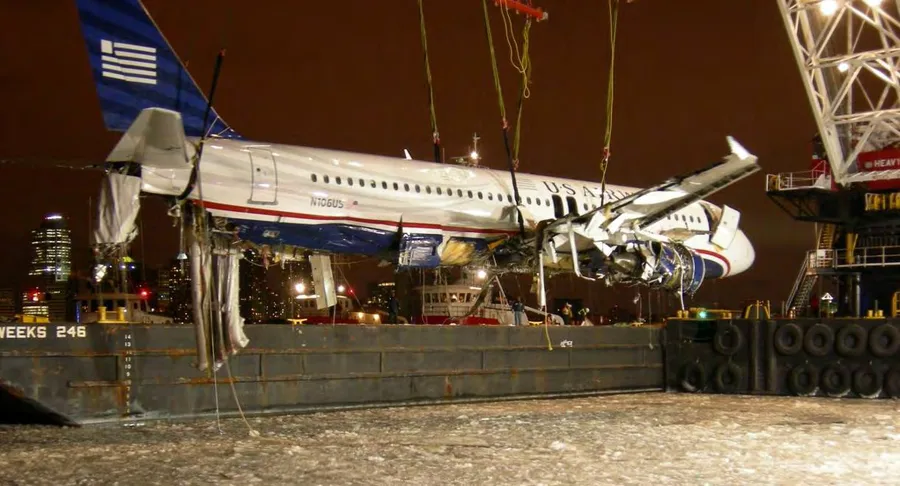
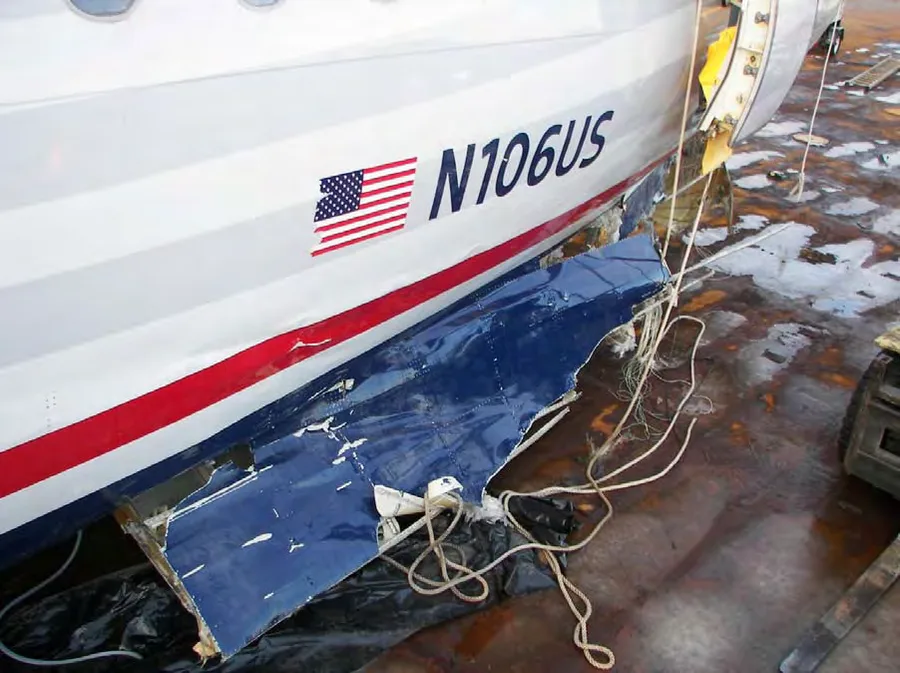
- Resulting fuselage damage made the aft slide/rafts unavailable during the evacuation
Photos & media (3)
NTSB Structures Group Chairman's Factual Report, DCA09MA026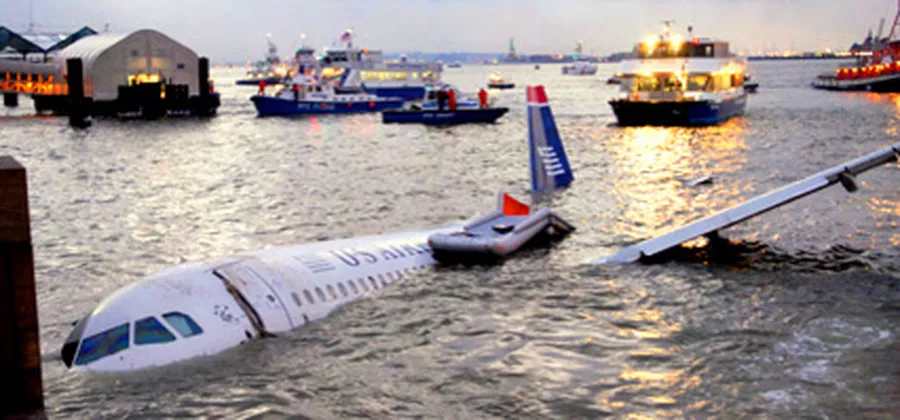
At 1527:10.4, the captain stated, “birds.” One second later, the CVR recorded the sound of thumps and thuds followed by a shuddering sound. The bird encounter occurred when the airplane was at 2,818 feet agl, about 4.5 miles north-northwest of LaGuardia, and both engines’ fan and core speeds immediately began to decelerate. At 1527:14, the first officer stated, “uh oh,” and the captain responded, “we got one rol- both of ‘em rolling back.” At 1527:23, the captain took over control of the airplane, stating, “my aircraft.” At 1527:33, he reported the emergency to the LaGuardia departure controller: “mayday mayday mayday…this is…Cactus fifteen thirty nine hit birds, we’ve lost thrust in both engines, we’re turning back towards LaGuardia.” At 1528:05, when the controller asked if he could reach runway 13, the captain replied, “we’re unable. we may end up in the Hudson [River].” Offers of Teterboro and other nearby runways followed, each declined as the captain determined the airplane could not reach any airport. At 1529:11, he announced over the public address system, “this is the Captain, brace for impact.” The CVR recording ended at 1530:43.7 with the captain stating, “we’re gonna brace.”
"The National Transportation Safety Board determines that the probable cause of this accident was the ingestion of large birds into each engine, which resulted in an almost total loss of thrust in both engines and the subsequent ditching on the Hudson River. Contributing to the fuselage damage and resulting unavailability of the aft slide/rafts were (1) the Federal Aviation Administration’s approval of ditching certification without determining whether pilots could attain the ditching parameters without engine thrust, (2) the lack of industry flight crew training and guidance on ditching techniques, and (3) the captain’s resulting difficulty maintaining his intended airspeed on final approach due to the task saturation resulting from the emergency situation. Contributing to the survivability of the accident was (1) the decision-making of the flight crewmembers and their crew resource management during the accident sequence; (2) the fortuitous use of an airplane that was equipped for an extended overwater flight, including the availability of the forward slide/rafts, even though it was not required to be so equipped; (3) the performance of the cabin crewmembers while expediting the evacuation of the airplane; and (4) the proximity of the emergency responders to the accident site and their immediate and appropriate response to the accident."
- Ingestion of large birds (Canada geese) into both engines during initial climb, causing an almost total loss of thrust
- FAA approval of ditching certification without determining whether pilots could meet ditching parameters without engine thrust
- Industry-wide lack of flight crew training and guidance on ditching techniques
- Captain’s difficulty maintaining his intended approach airspeed due to task saturation during the emergency
- Resulting fuselage damage made the aft slide/rafts unavailable during the evacuation