Cirrus SR22 (N2824M)
Engine failure and parachute deployment near Whitethorn, California March 8, 2024, 13:25 PST · densely wooded terrain near Whitethorn, CASurvived — CAPS deployed
2 minor injuries, 1 uninjured
Case summary
A Cirrus SR22 lost total engine power during the initial climb out of Shelter Cove Airport, California, after water-contaminated fuel reached the engine. Unable to restore power despite switching tanks and working the boost pump and mixture, the pilot deployed the airplane's Cirrus Airframe Parachute System (CAPS). The airplane descended into densely tree-covered terrain, hung briefly in the branches, then fell to the ground inverted — substantially damaging the airframe but leaving all three occupants alive, with only two minor injuries. The NTSB could not determine how or when the water entered the fuel system.

Single-engine piston, factory-equipped with CAPS whole-airframe parachute
What happened
Source: NTSB Final Report (excerpt)As the airplane was climbing through 2,600 ft mean sea level (msl), the engine sputtered and lost total power. The pilot stated that he switched fuel tanks, activated the electric boost pump, and manipulated the mixture and throttle controls to restore engine power. Unable to restore engine power, he deployed the Cirrus Airframe Parachute System (CAPS). The airplane descended under parachute canopy into densely tree-covered terrain and became suspended amongst the tree limbs. Subsequently, the airplane fell from the trees and impacted the ground inverted. The airplane sustained substantial damage to the fuselage and empennage.
Why it happened
Source: NTSB Final Report"A total loss of engine power due to water-contaminated fuel."
- Water-contaminated fuel reaching the engine's fuel injection system
- Total loss of engine power consistent with fuel contamination, not a mechanical failure (no preaccident airframe or engine defects found)
- Pilot could not recall whether a fuel sample was taken during the preflight inspection
- NTSB could not determine how or when water entered the fuel system
Photos & media (3)
NTSB Airframe and Engine Examination, WPR24LA106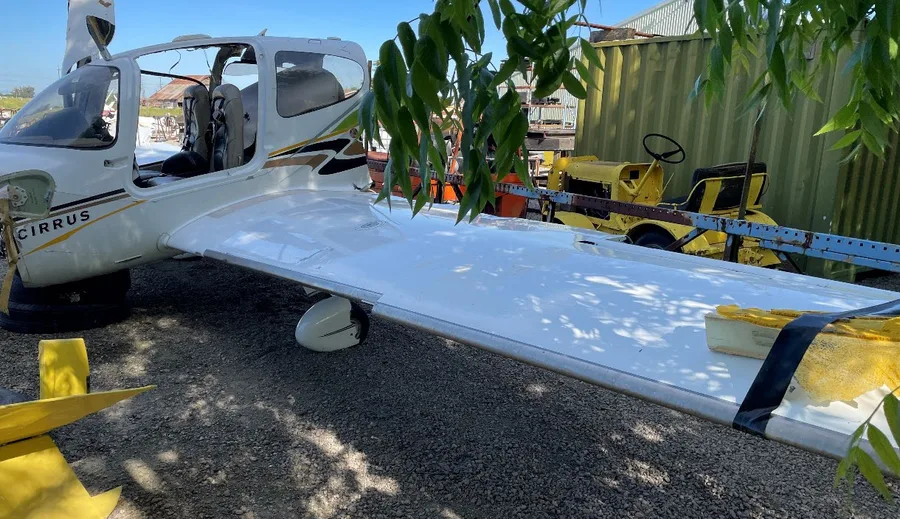
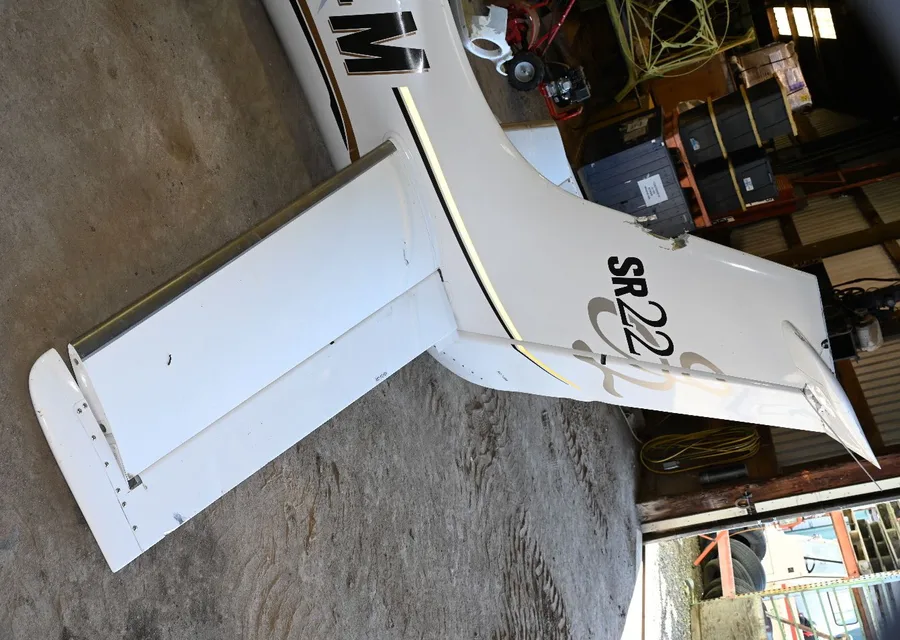

As the airplane was climbing through 2,600 ft mean sea level (msl), the engine sputtered and lost total power. The pilot stated that he switched fuel tanks, activated the electric boost pump, and manipulated the mixture and throttle controls to restore engine power. Unable to restore engine power, he deployed the Cirrus Airframe Parachute System (CAPS). The airplane descended under parachute canopy into densely tree-covered terrain and became suspended amongst the tree limbs. Subsequently, the airplane fell from the trees and impacted the ground inverted. The airplane sustained substantial damage to the fuselage and empennage.
"A total loss of engine power due to water-contaminated fuel."
- Water-contaminated fuel reaching the engine's fuel injection system
- Total loss of engine power consistent with fuel contamination, not a mechanical failure (no preaccident airframe or engine defects found)
- Pilot could not recall whether a fuel sample was taken during the preflight inspection
- NTSB could not determine how or when water entered the fuel system