Bombardier DHC-8-400 (Q400) (N200WQ)
Fatal accident in Clarence Center, New York February 12, 2009, 22:17 EST · residential neighborhood, Clarence Center, NYSerious outcome
No survivors aboard; 1 additional fatality on the ground
Case summary
On a night instrument approach to Buffalo-Niagara International Airport in icing conditions, the captain of a Colgan Air Bombardier Q400 responded to a stall-warning stick shaker by pulling back on the controls instead of pushing forward, and the stick pusher's corrective nose-down inputs were then overridden. The airplane stalled, rolled, and crashed into a house in Clarence Center, New York, killing all 49 people aboard and one person on the ground. The NTSB found the captain's mishandling of the stall warning, a sterile cockpit violation, and inadequate airspeed-management procedures at Colgan Air all contributed — findings that led directly to the 2010 pilot rest, training, and experience rules known as the Colgan Air Act.

Twin-engine regional turboprop airliner
What happened
Source: NTSB Final Report (excerpt)At 2216:27.4, the CVR recorded a sound similar to the stick shaker. (The stick shaker warns a pilot of an impending wing aerodynamic stall through vibrations on the control column, providing tactile and aural cues.) The CVR also recorded a sound similar to the autopilot disconnect horn, which repeated until the end of the recording. FDR data showed that, when the autopilot disengaged, the airplane was at an airspeed of 131 knots. FDR data showed that the control columns moved aft at 2216:27.8 and that the engine power levers were advanced to about 70° (rating detent was 80°) 1 second later. The CVR then recorded a sound similar to increased engine power, and FDR data showed that engine power had increased to about 75 percent torque. FDR data also showed that, while engine power was increasing, the airplane pitched up; rolled to the left, reaching a roll angle of 45° left wing down; and then rolled to the right. As the airplane rolled to the right through wings level, the stick pusher activated (about 2216:34), and flaps 0 was selected. (The Q400 stick pusher applies an airplane-nose-down control column input to decrease the wing angle-of-attack [AOA] after an aerodynamic stall.) About 2216:37, the first officer told the captain that she had put the flaps up. FDR data confirmed that the flaps had begun to retract by 2216:38; at that time, the airplane's airspeed was about 100 knots. FDR data also showed that the roll angle reached 105° right wing down before the airplane began to roll back to the left and the stick pusher activated a second time (about 2216:40). At the time, the airplane's pitch angle was -1°. About 2216:42, the CVR recorded the captain making a grunting sound. FDR data showed that the roll angle had reached about 35° left wing down before the airplane began to roll again to the right. Afterward, the first officer asked whether she should put the landing gear up, and the captain stated "gear up" and an expletive. The airplane's pitch and roll angles had reached about 25° airplane nose down and 100° right wing down, respectively, when the airplane entered a steep descent. The stick pusher activated a third time (about 2216:50). FDR data showed that the flaps were fully retracted about 2216:52. About the same time, the CVR recorded the captain stating, "we're down," and a sound of a thump. The airplane impacted a single-family home (where the ground fatality occurred), and a postcrash fire ensued (the postcrash fire was also the result of a severed natural gas service pipeline at the home). The CVR recording ended about 2216:54.
Why it happened
Source: NTSB Final Report"The National Transportation Safety Board determines that the probable cause of this accident was the captain's inappropriate response to the activation of the stick shaker, which led to an aerodynamic stall from which the airplane did not recover. Contributing to the accident were (1) the flight crew's failure to monitor airspeed in relation to the rising position of the low-speed cue, (2) the flight crew's failure to adhere to sterile cockpit procedures, (3) the captain's failure to effectively manage the flight, and (4) Colgan Air's inadequate procedures for airspeed selection and management during approaches in icing conditions."
- Captain's inappropriate response to stick shaker activation — pulled aft instead of pushing forward, inducing an aerodynamic stall
- Flight crew's failure to monitor airspeed in relation to the rising position of the low-speed cue
- Flight crew's failure to adhere to sterile cockpit procedures
- Captain's failure to effectively manage the flight
- Colgan Air's inadequate procedures for airspeed selection and management during approaches in icing conditions
Photos & media (3)
NTSB Structures and Powerplants Group Factual Reports, DCA09MA027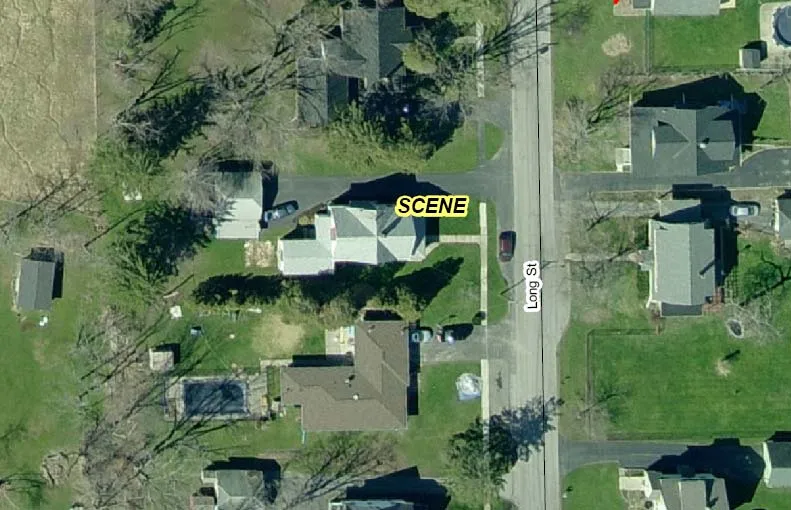
At 2216:27.4, the CVR recorded a sound similar to the stick shaker. (The stick shaker warns a pilot of an impending wing aerodynamic stall through vibrations on the control column, providing tactile and aural cues.) The CVR also recorded a sound similar to the autopilot disconnect horn, which repeated until the end of the recording. FDR data showed that, when the autopilot disengaged, the airplane was at an airspeed of 131 knots. FDR data showed that the control columns moved aft at 2216:27.8 and that the engine power levers were advanced to about 70° (rating detent was 80°) 1 second later. The CVR then recorded a sound similar to increased engine power, and FDR data showed that engine power had increased to about 75 percent torque. FDR data also showed that, while engine power was increasing, the airplane pitched up; rolled to the left, reaching a roll angle of 45° left wing down; and then rolled to the right. As the airplane rolled to the right through wings level, the stick pusher activated (about 2216:34), and flaps 0 was selected. (The Q400 stick pusher applies an airplane-nose-down control column input to decrease the wing angle-of-attack [AOA] after an aerodynamic stall.) About 2216:37, the first officer told the captain that she had put the flaps up. FDR data confirmed that the flaps had begun to retract by 2216:38; at that time, the airplane's airspeed was about 100 knots. FDR data also showed that the roll angle reached 105° right wing down before the airplane began to roll back to the left and the stick pusher activated a second time (about 2216:40). At the time, the airplane's pitch angle was -1°. About 2216:42, the CVR recorded the captain making a grunting sound. FDR data showed that the roll angle had reached about 35° left wing down before the airplane began to roll again to the right. Afterward, the first officer asked whether she should put the landing gear up, and the captain stated "gear up" and an expletive. The airplane's pitch and roll angles had reached about 25° airplane nose down and 100° right wing down, respectively, when the airplane entered a steep descent. The stick pusher activated a third time (about 2216:50). FDR data showed that the flaps were fully retracted about 2216:52. About the same time, the CVR recorded the captain stating, "we're down," and a sound of a thump. The airplane impacted a single-family home (where the ground fatality occurred), and a postcrash fire ensued (the postcrash fire was also the result of a severed natural gas service pipeline at the home). The CVR recording ended about 2216:54.
"The National Transportation Safety Board determines that the probable cause of this accident was the captain's inappropriate response to the activation of the stick shaker, which led to an aerodynamic stall from which the airplane did not recover. Contributing to the accident were (1) the flight crew's failure to monitor airspeed in relation to the rising position of the low-speed cue, (2) the flight crew's failure to adhere to sterile cockpit procedures, (3) the captain's failure to effectively manage the flight, and (4) Colgan Air's inadequate procedures for airspeed selection and management during approaches in icing conditions."
- Captain's inappropriate response to stick shaker activation — pulled aft instead of pushing forward, inducing an aerodynamic stall
- Flight crew's failure to monitor airspeed in relation to the rising position of the low-speed cue
- Flight crew's failure to adhere to sterile cockpit procedures
- Captain's failure to effectively manage the flight
- Colgan Air's inadequate procedures for airspeed selection and management during approaches in icing conditions