FlyNYON East River Helicopter Crash — Airbus AS350 B2 (N350LH)
Fatal doors-off tour helicopter ditching that drowned five passengers in New York's East River March 11, 2018, 19:08 EDT · ditching on the East River, New York, NYSerious outcome
Pilot survived with minor injuries; all 5 passengers drowned
Case summary
A passenger's safety tether snagged the floor-mounted fuel shutoff lever, cutting power — the harnesses then kept everyone from escaping underwater.
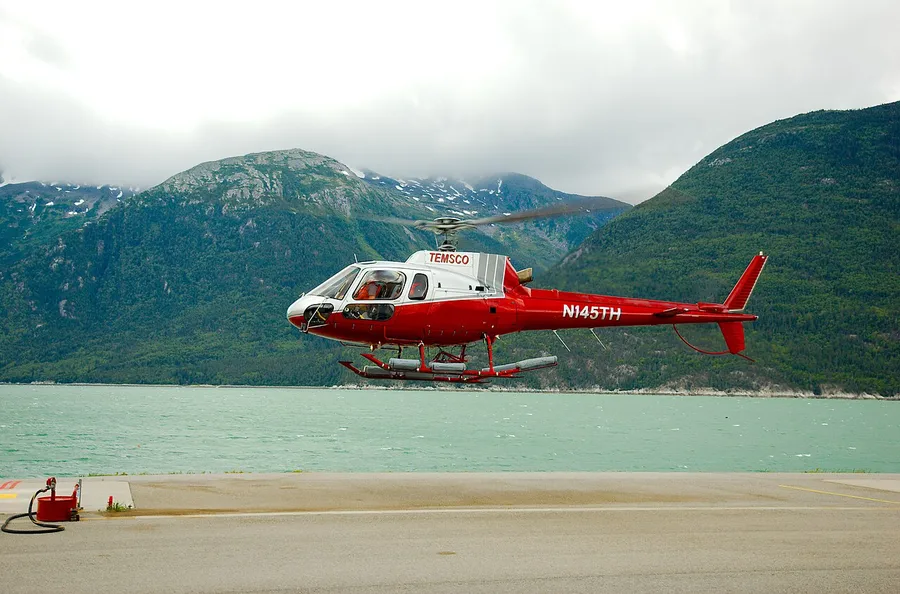
Single-engine light helicopter, configured doors-off for photography tours
What happened
Source: NTSB Final Report (excerpt)Onboard video showed that, between 1900:15 and 1905:40, the front passenger leaned back several times to take photographs using a smartphone, at times lying back in a recumbent position with his feet pointed diagonally aft out the open doorway. Each time he leaned back, the tail of the tether attached to the back of his harness hung down loosely near the helicopter's floor-mounted controls. At 1905:51, he resumed a more upright position, and his tether tail appeared taut, extended toward the floor-mounted controls. At 1906:08, when he pulled on a hand grip to adjust his seating position, his tether tail remained taut but appeared to pop upward — and about 2 seconds later, the helicopter's engine sounds decreased and it began to descend. The pilot heard a low rotor rpm alert and initiated an autorotation, turning for the East River. About 600 ft over the water, "committed to impact," he reached for the fuel shutoff lever and "could tell something was wrong because it was already in the up position" — the tail of the front passenger's tether had caught on it and pulled it into the shutoff position. He slammed the lever back down and tried to restart the engine, but there was no longer enough altitude. At 1906:58 he made a "mayday, mayday, mayday" call, pulled the float-activation handle at about 100 ft, and ditched the helicopter on the East River. It touched down upright — but the floats had inflated only partially and asymmetrically. The helicopter immediately began rolling to the right, and within about 11 seconds of touchdown it was completely inverted and submerged, with only the floats visible above the surface. The pilot escaped after the aircraft was fully underwater. None of the five passengers, secured by harness/tether systems with no quick-release feature, were able to get out.
Why it happened
Source: NTSB Final Report"The NTSB determines the probable cause of this accident was Liberty Helicopters Inc.'s use of a NYONair-provided passenger harness/tether system, which caught on and activated the floor-mounted engine fuel shutoff lever and resulted in the in-flight loss of engine power and the subsequent ditching. Contributing to this accident were (1) Liberty's and NYONair's deficient safety management, which did not adequately mitigate foreseeable risks associated with the harness/tether system interfering with the floor-mounted controls and hindering passenger egress; (2) Liberty allowing NYONair to influence the operational control of Liberty's FlyNYON flights; and (3) the Federal Aviation Administration's inadequate oversight of Title 14 Code of Federal Regulations Part 91 revenue passenger-carrying operations. Contributing to the severity of the accident were (1) the rapid capsizing of the helicopter due to partial inflation of the emergency flotation system and (2) Liberty and NYONair's use of the harness/tether system that hindered passenger egress."
- Lack of a quick-release harness/tether system — passengers had only locking carabiners and a cutting tool investigators found ineffective for a rapid-egress emergency
- Deficient safety management at both Liberty Helicopters and NYONair, which failed to mitigate the foreseeable risk of the harness tether interfering with floor-mounted flight controls
- Liberty allowing NYONair to influence operational control of Liberty-operated FlyNYON flights, blurring who was actually responsible for flight safety
- FAA's inadequate oversight of Part 91 revenue passenger-carrying operations conducted under the aerial-work/aerial-photography exception
- Partial, asymmetric inflation of the emergency flotation system, which caused the helicopter to capsize and fully invert within about 11 seconds of a survivable water landing
Photos & media (3)
NTSB Aircraft Accident Report NTSB/AAR-19/04, ERA18MA099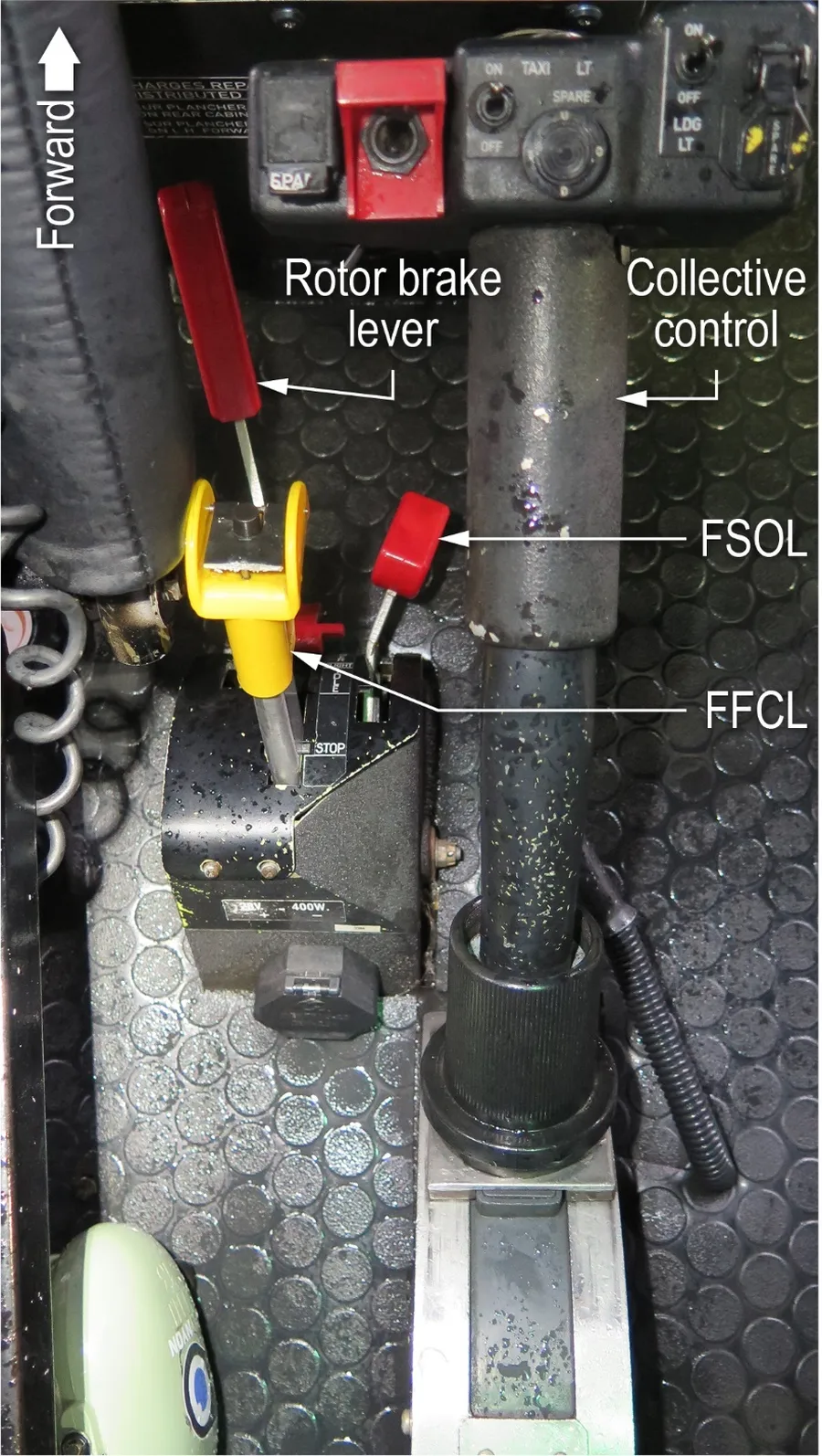
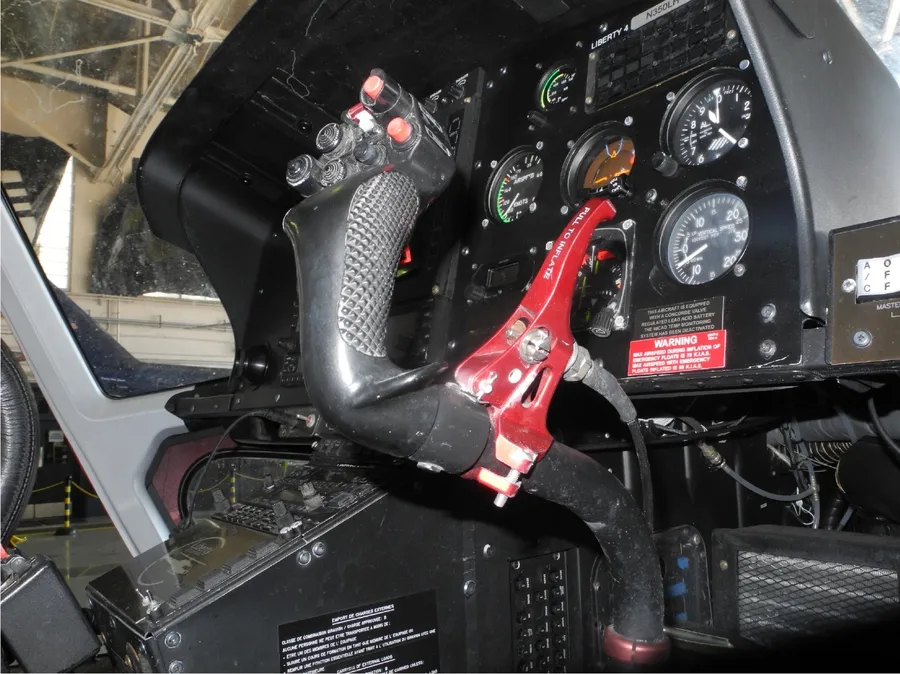
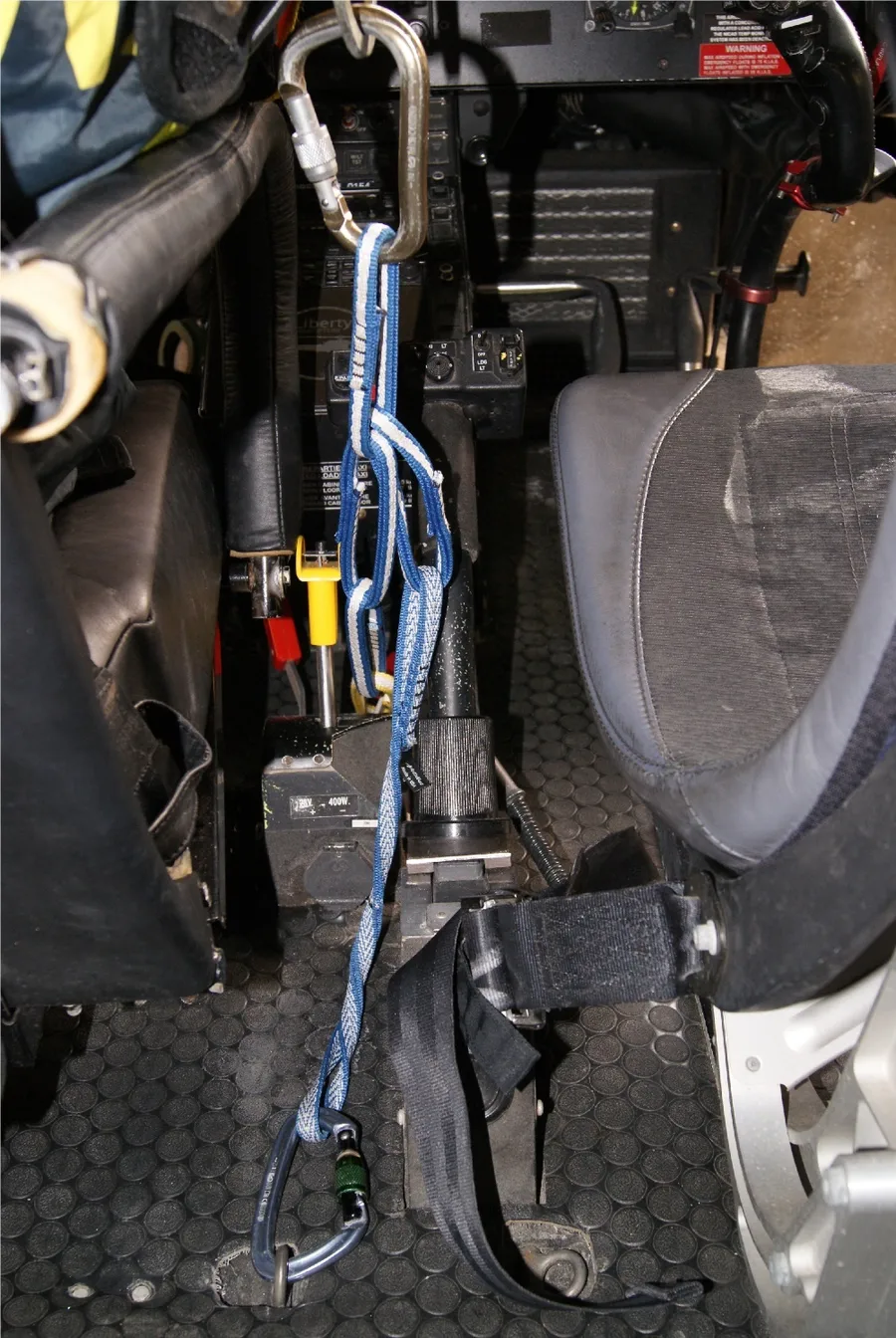
Onboard video showed that, between 1900:15 and 1905:40, the front passenger leaned back several times to take photographs using a smartphone, at times lying back in a recumbent position with his feet pointed diagonally aft out the open doorway. Each time he leaned back, the tail of the tether attached to the back of his harness hung down loosely near the helicopter's floor-mounted controls. At 1905:51, he resumed a more upright position, and his tether tail appeared taut, extended toward the floor-mounted controls. At 1906:08, when he pulled on a hand grip to adjust his seating position, his tether tail remained taut but appeared to pop upward — and about 2 seconds later, the helicopter's engine sounds decreased and it began to descend. The pilot heard a low rotor rpm alert and initiated an autorotation, turning for the East River. About 600 ft over the water, "committed to impact," he reached for the fuel shutoff lever and "could tell something was wrong because it was already in the up position" — the tail of the front passenger's tether had caught on it and pulled it into the shutoff position. He slammed the lever back down and tried to restart the engine, but there was no longer enough altitude. At 1906:58 he made a "mayday, mayday, mayday" call, pulled the float-activation handle at about 100 ft, and ditched the helicopter on the East River. It touched down upright — but the floats had inflated only partially and asymmetrically. The helicopter immediately began rolling to the right, and within about 11 seconds of touchdown it was completely inverted and submerged, with only the floats visible above the surface. The pilot escaped after the aircraft was fully underwater. None of the five passengers, secured by harness/tether systems with no quick-release feature, were able to get out.
"The NTSB determines the probable cause of this accident was Liberty Helicopters Inc.'s use of a NYONair-provided passenger harness/tether system, which caught on and activated the floor-mounted engine fuel shutoff lever and resulted in the in-flight loss of engine power and the subsequent ditching. Contributing to this accident were (1) Liberty's and NYONair's deficient safety management, which did not adequately mitigate foreseeable risks associated with the harness/tether system interfering with the floor-mounted controls and hindering passenger egress; (2) Liberty allowing NYONair to influence the operational control of Liberty's FlyNYON flights; and (3) the Federal Aviation Administration's inadequate oversight of Title 14 Code of Federal Regulations Part 91 revenue passenger-carrying operations. Contributing to the severity of the accident were (1) the rapid capsizing of the helicopter due to partial inflation of the emergency flotation system and (2) Liberty and NYONair's use of the harness/tether system that hindered passenger egress."
- Lack of a quick-release harness/tether system — passengers had only locking carabiners and a cutting tool investigators found ineffective for a rapid-egress emergency
- Deficient safety management at both Liberty Helicopters and NYONair, which failed to mitigate the foreseeable risk of the harness tether interfering with floor-mounted flight controls
- Liberty allowing NYONair to influence operational control of Liberty-operated FlyNYON flights, blurring who was actually responsible for flight safety
- FAA's inadequate oversight of Part 91 revenue passenger-carrying operations conducted under the aerial-work/aerial-photography exception
- Partial, asymmetric inflation of the emergency flotation system, which caused the helicopter to capsize and fully invert within about 11 seconds of a survivable water landing